Sifnos Cuisine
Sifnos Cuisine: The Complete Food Guide
Chickpeas in a sealed pot, lamb on vine twigs, cheese in wine sediment. Sifnos cooks in clay because it still throws the pots — Tselementes is the famous son, not the whole kitchen.
Last updated: September 2026
How to eat on Sifnos
The island cooks slowly and it eats late. Pick a job for the day: Sunday chickpeas, an Easter pot, a meze table, or a bakery bag. The recipes below are the ones with their own pages on this site.
Sunday lunch
Revithada from a wood oven, not a weekday shortcut. Ask which day the pot went in. Artemonas is the usual village for it.
Easter table
Mastelo is the feast: lamb or goat, vine twigs, dill, wine. Book the taverna. Holy Saturday night is when the pots go in.
Meze table
Caper salad, manoura, xynomyzithra, olive oil. This is how a Sifnos table starts — not with a Greek salad from a mainland card.
Bakery bag
Amygdalota from a village oven. Honey pie at Easter. Nougat wafers and a submarine spoon at Theodorou in Artemonas.
Recipes to try
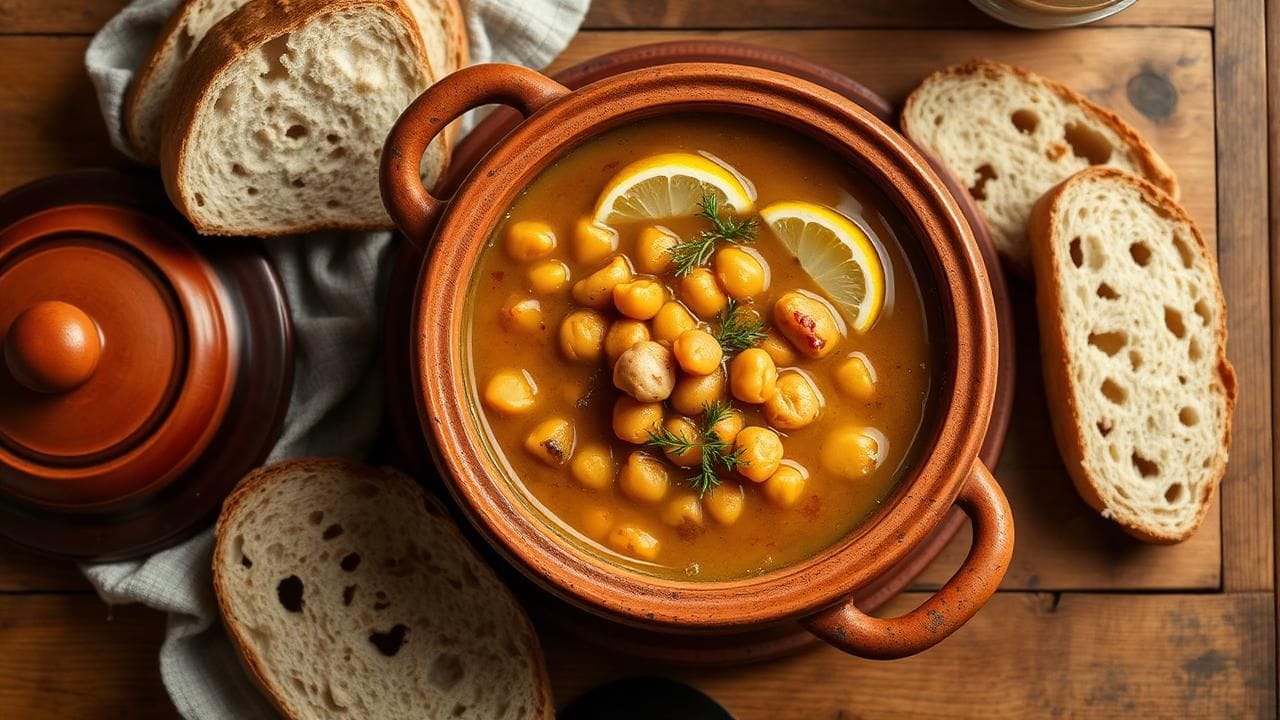
Revithada
Chickpeas slow-baked overnight in a sealed clay pot — the Sunday lunch of Sifnos.
Where: Lembesis taverna in Artemonas, Sunday lunch.
View recipe →

Mastelo
Easter lamb cooked in a clay vessel with red wine and dill, on a bed of vine twigs.
Where: To Liotrivi or Lembesis, Easter weekend.
View recipe →
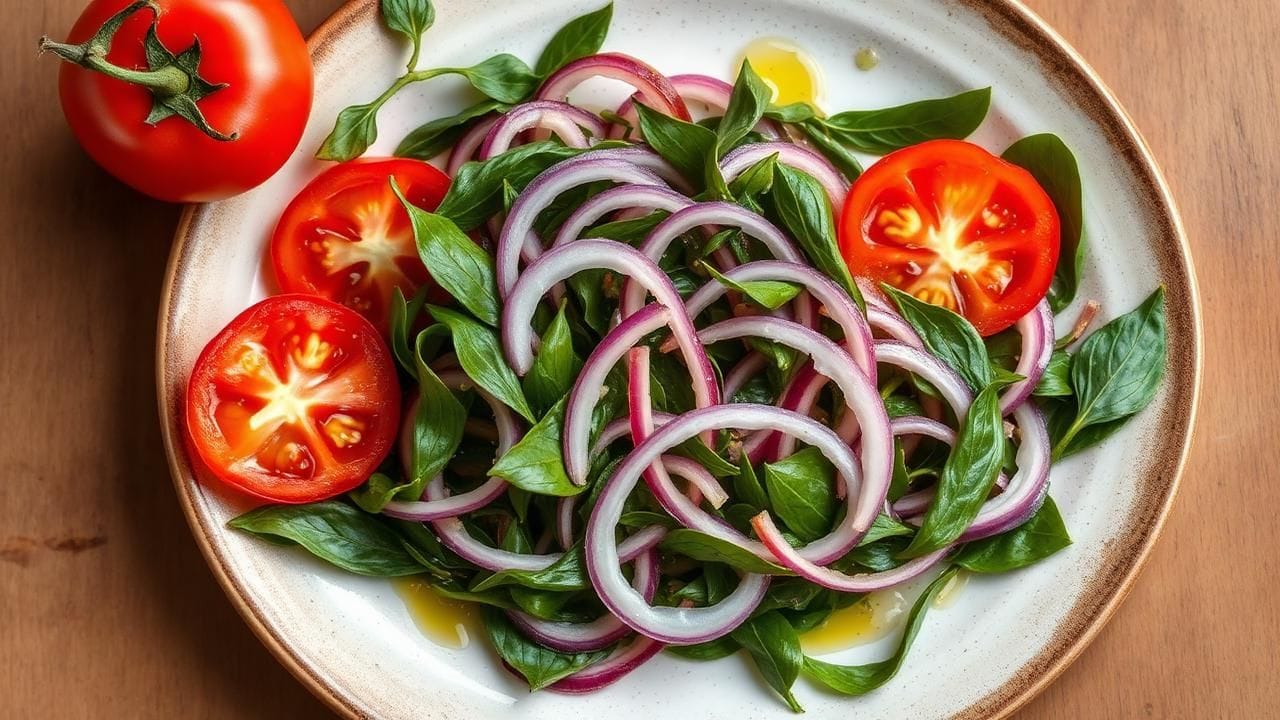
Caper salad
Wild capers picked from the island's stone walls — Sifnos' answer to the Greek salad.
Where: Almost every Sifnos taverna — order it as a starter.
View recipe →
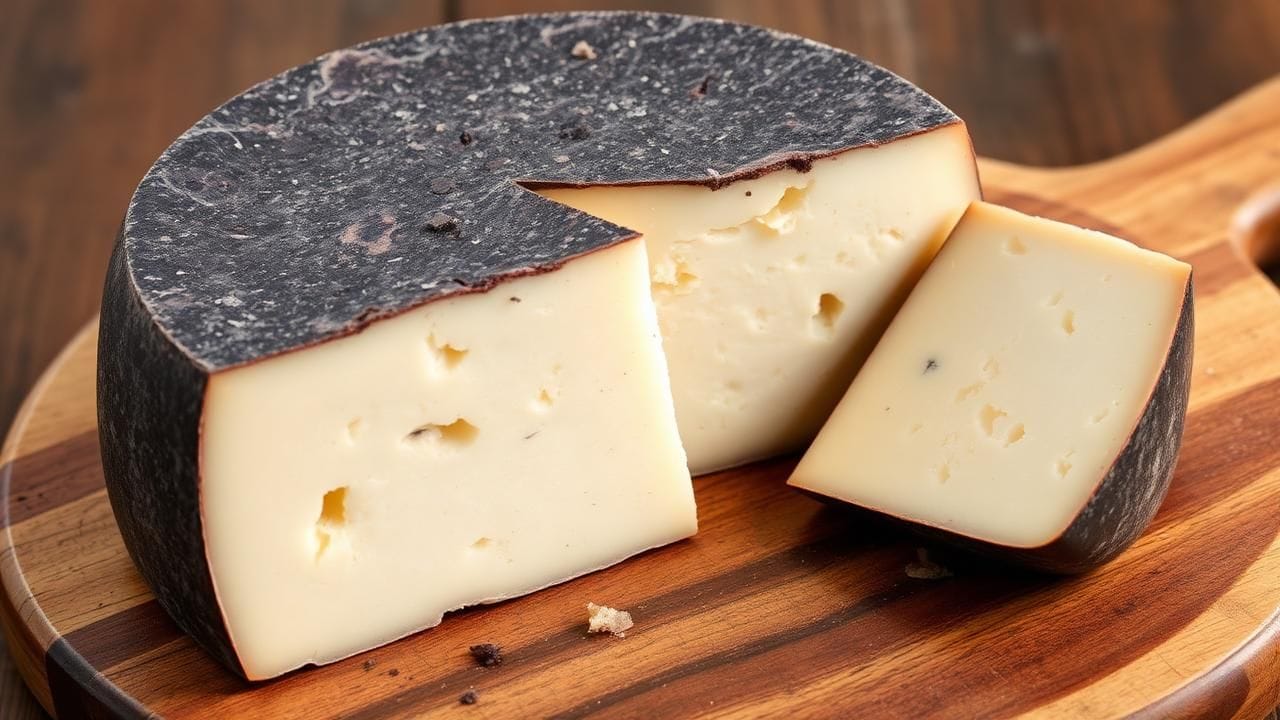
Manoura cheese
Hard sheep's milk cheese aged in wine sediment — sharp, tangy, unforgettable.
Where: Local cheese shops in Apollonia and Artemonas.
View recipe →

Amygdalota
Soft almond cookies dusted in icing sugar — the most famous sweet on the island.
Where: Theodorou bakery, Apollonia.
View recipe →
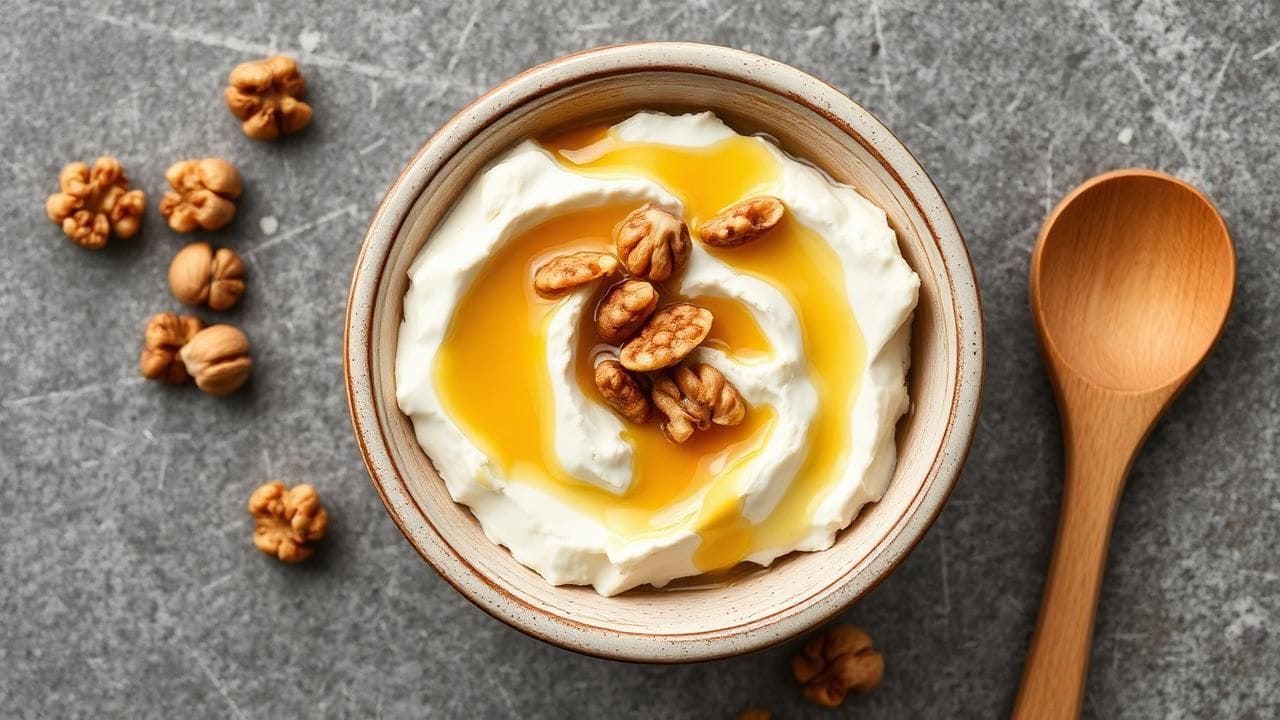
Xynomyzithra
Fresh, slightly sour whey cheese — eaten with honey, in salads or on bread.
Where: Most Sifnos tavernas as a meze.
View recipe →
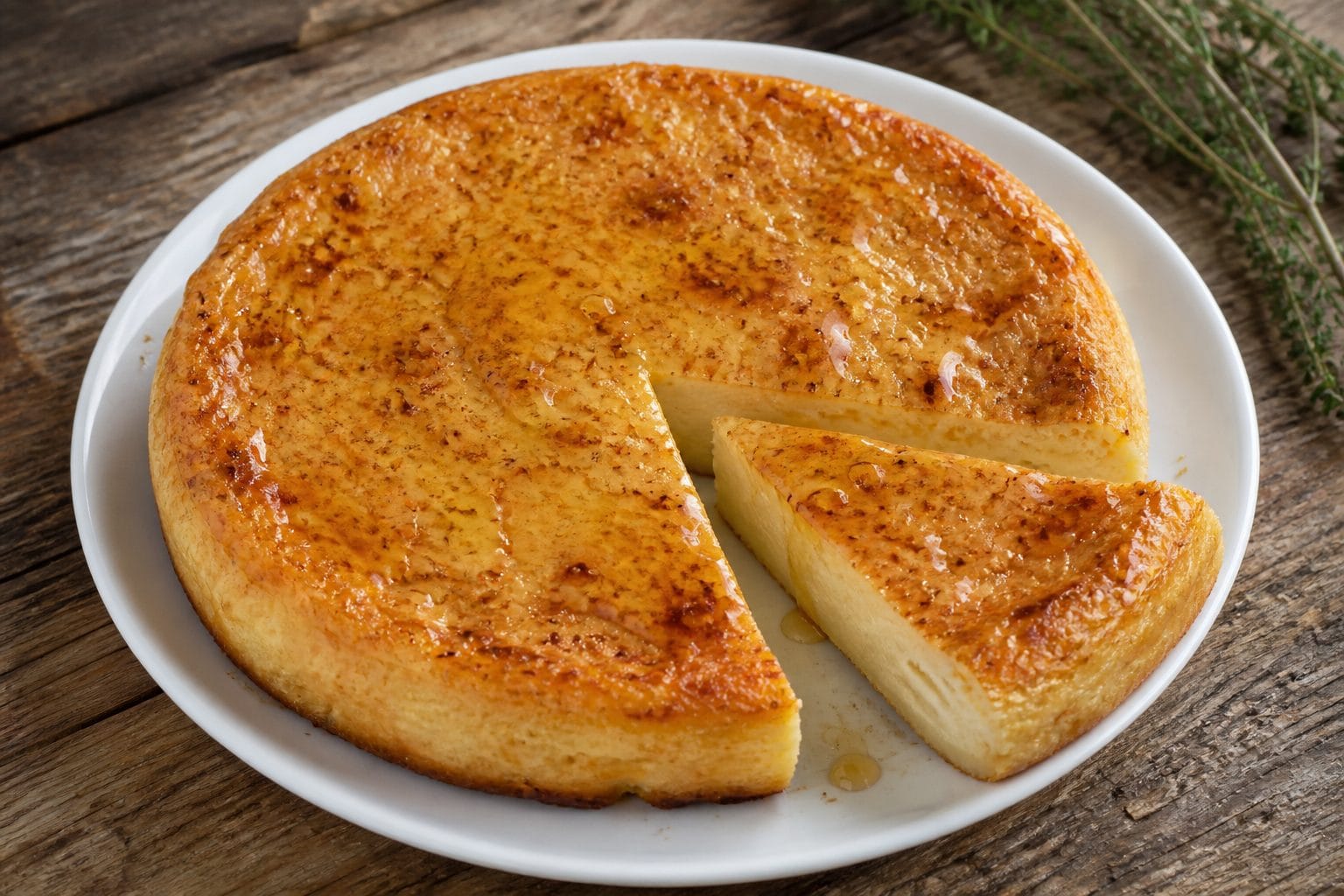
Melopita
Crustless honey-and-cheese pie — thyme honey, fresh mizithra, the Easter sweet of Sifnos.
Where: Easter tables, and tavernas that still bake it.
View recipe →
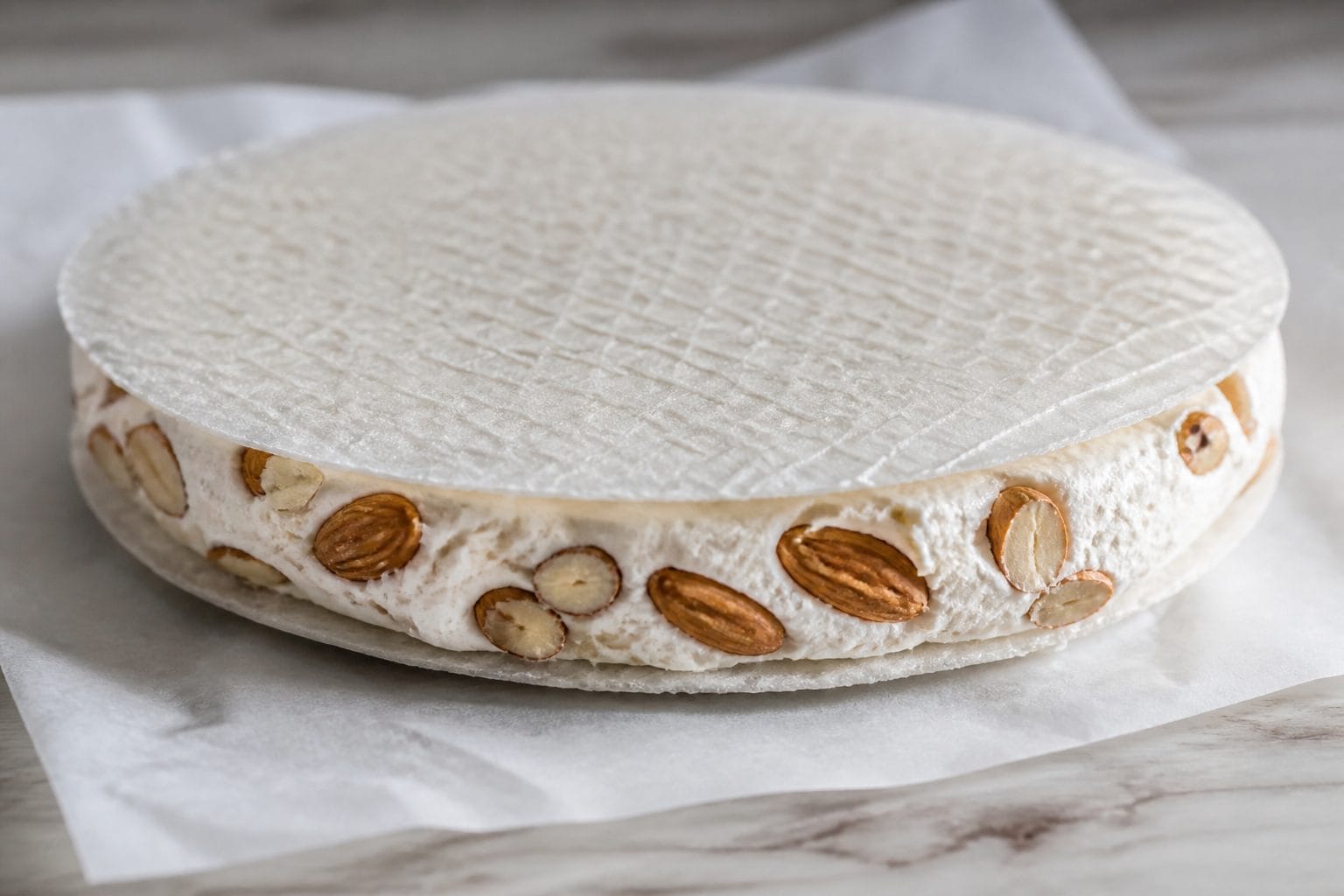
Halvadopita
Almond nougat between thin wafers — a Syros sweet that Sifnos confectioners still make.
Where: Theodorou, Artemonas.
View recipe →
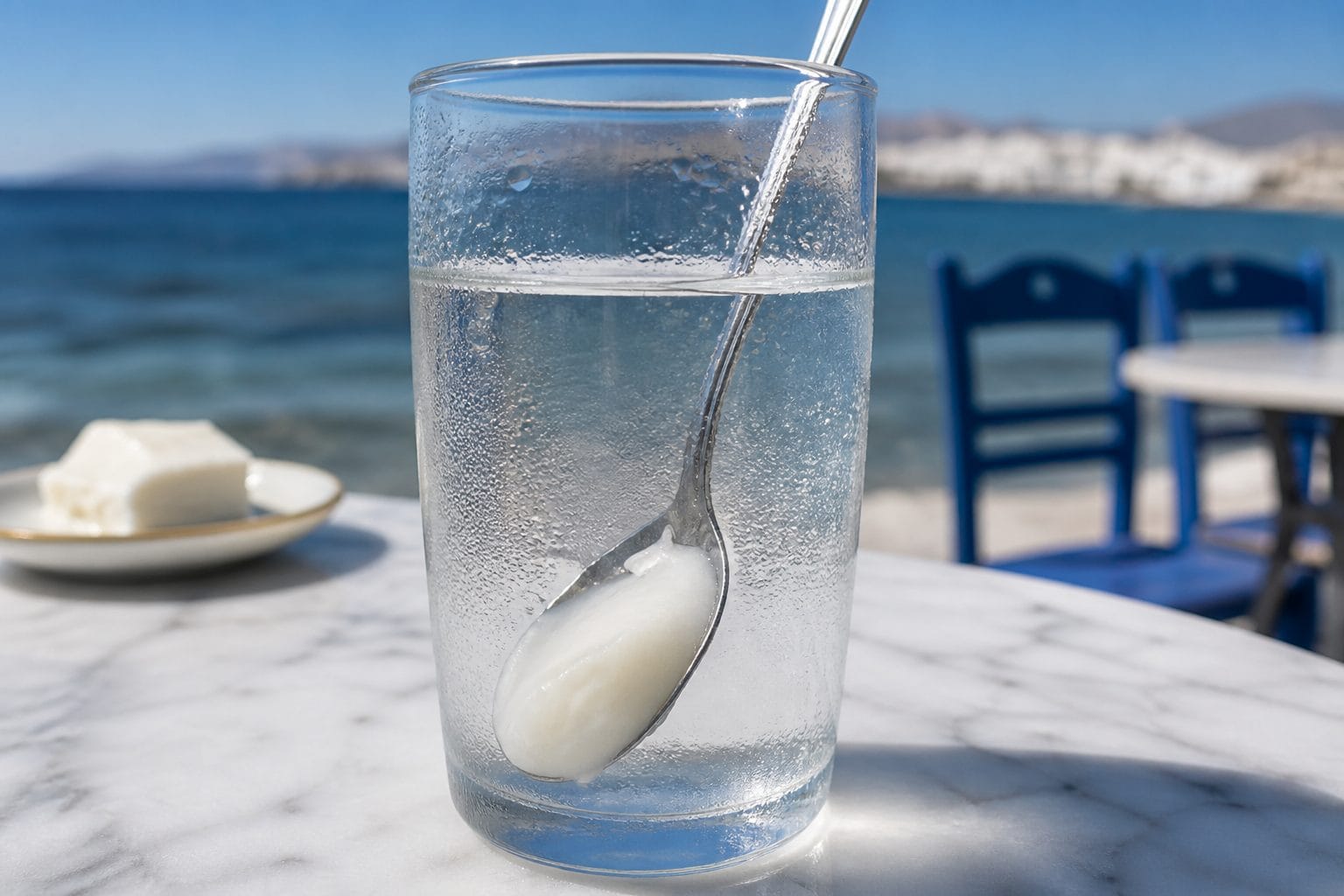
Ypovrichio
A spoon of vanilla fondant in ice-cold water — the Greek submarine sweet, still made here.
Where: Theodorou, Artemonas.
View recipe →
The clay-pot connection
Why Sifnos cooks in clay.
The skepastaria and the mastelo are still thrown on this island. Seal the lid, leave it in a wood oven, eat it the next day. That is not folklore. It is how Sunday and Easter still get cooked. Walk the pottery workshops if you want the pot itself.
Frequently asked questions
Sifnos is famous for clay-pot cooking. The Sunday dish is revithada — chickpeas baked overnight in a sealed skepastaria. Easter is mastelo: lamb or goat on vine twigs, red wine and dill. Around those sit manoura cheese, capers, amygdalota, honey pie, and a long meze table.
Chickpeas, onion, olive oil, water, salt, often bay. Soaked, sealed in a clay pot, baked overnight in a wood oven, eaten after church on Sunday. Order it on Sunday if you can; weekday versions can be a shortcut. Recipe and where to try it: Revithada.
Mastelo is both the pot and the dish. Goat or lamb is washed in wine, laid on vine twigs, covered with dill, and slow-baked until it falls apart. It is the Easter centrepiece, and some tavernas still cook it out of season. Recipe: Mastelo.
The island has thrown cooking pots for millennia. A sealed skepastaria or mastelo holds steam and heat the way a metal pan does not, which is why the chickpeas go silky and the lamb stays wet. The pottery trail is the same story from the other side.
A cook from Exambela (1878–1958) whose surname became the Greek word for cookbook. He trained abroad, wrote the books that standardised modern Greek cookery, and is still argued over — some for lifting the cuisine, some for sanding off village food. Profile: Nikolaos Tselementes.
Village tavernas that still use a wood oven, not a harbour menu written for the ferry. Artemonas is the usual Sunday revithada address. Easter mastelo is a reservation, not a walk-in. A cooking class is the other honest way in if you want the method, not only the plate.
Yes. Farm and taverna classes run revithada, mastelo, revithokeftedes and the sweets. Book the class if you have a free afternoon; the piece you throw on a pottery wheel needs days, the lunch you cook does not. Cooking classes.
Early September, around Tselementes — typically three days of village cooking, not a trade-show buffet. Check the year you travel: gastronomy festival. Easter is the other food date, for mastelo.
Manoura: sheep and goat milk, aged in red-wine sediment, a winey rind and a sharp bite. Xynomyzithra is the fresh, slightly sour whey cheese — honey, salad, bread. Both are on the meze table. Avoid the supermarket wheel if a village shop still cuts from a proper one.
Yes, if you eat like the island on a fasting day: revithada, revithokeftedes, caper salad, cheeses, almonds, honey pie. Fish and mastelo are the meat days. Sunday chickpeas are the house dish, not a concession.
Amygdalota — pale almond cookies. Melopita — crustless honey-cheese pie, especially at Easter. Halvadopita — nougat wafers from a Syros recipe that Theodorou in Artemonas still makes with Sifnos honey. Ypovrichio: a spoon of vanilla paste in ice water.