South-east coast
Chrysopigi (Apokofto) Beach
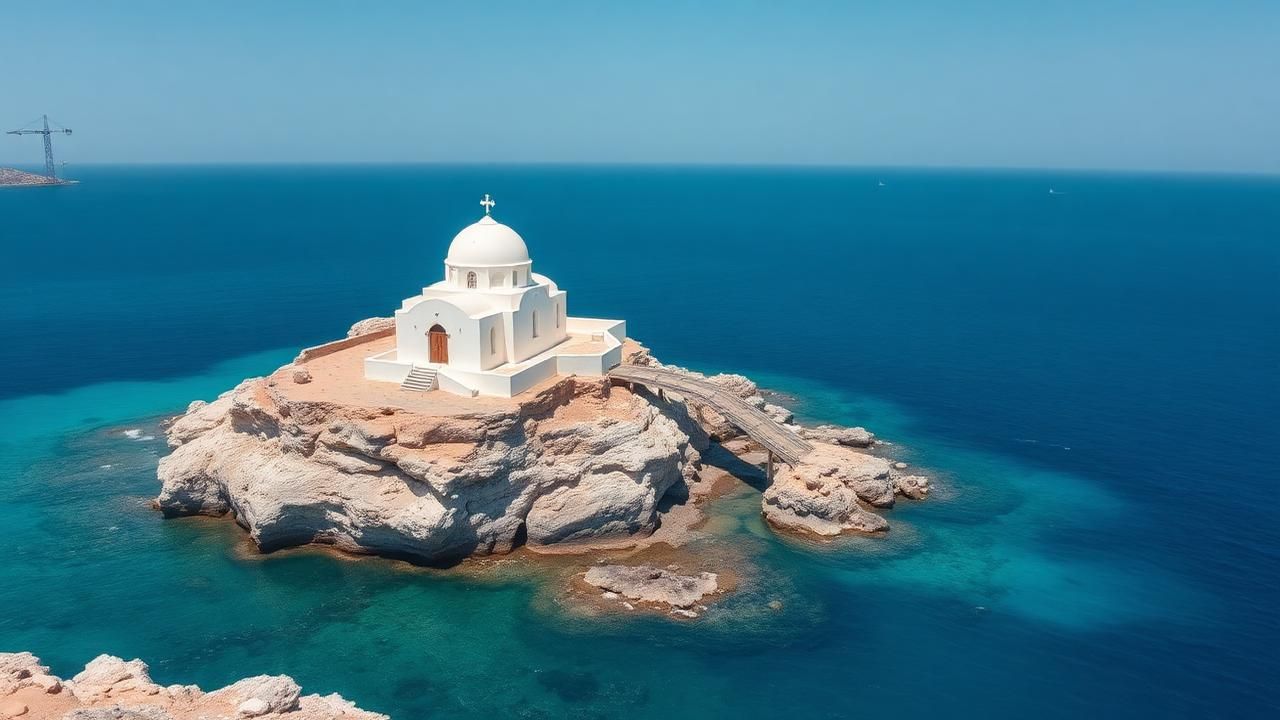
A sandy cove tucked under the iconic monastery on its rocky islet.
Know before you go
- Sandy cove under the monastery. The photograph. Not a sunbed day.
- Two tavernas on the sand. Tamarisks at the back. Bring a towel.
- South-east. Usually calmer than the north in July and August.
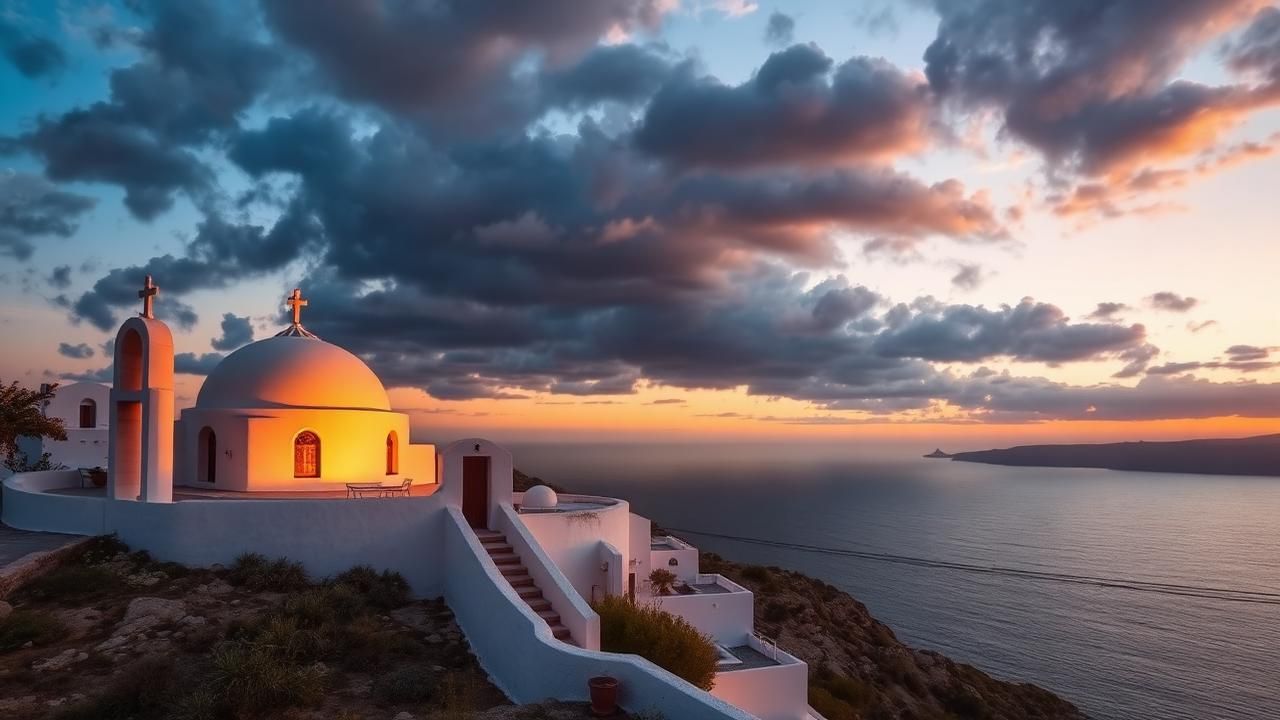
This page is the swim. The monastery, the patron, and the feast sit on the culture page. Last light sits on the sunset photograph page.
Faros is a short walk or a five-minute drive. Glyfo connects on the coastal path. Saoures is the small pebble side of the same rock.
Apokofto is the sandy cove immediately north of the Monastery of Panagia Chrysopigi, the whitewashed 17th-century landmark that sits on its own rocky islet, connected to the mainland by a narrow footbridge. Tamarisk trees shade the back of the beach, the water shifts from green to deep blue within a few strokes of the shore, and the tall rocks flanking the cove are a genuine local swimming tradition — jumping-off points rather than just scenery. Built in 1650 and declared the official patron of Sifnos in 1964, the monastery is also tied to the island's best-known legend: that the rock split in two to save a nun fleeing pirates, which is why a strip of sea now separates it from the shore.
This is the beach to build a half-day around rather than a full one: there are no sunbeds or umbrellas for rent, so the rhythm here is swim, dry off in the shade, eat at one of the two tavernas right on the sand, and let the light change for photos before you leave. The monastery makes this arguably the most photographed backdrop on Sifnos, and the cove's position on the island's south-east coast means it typically stays calmer than more exposed beaches when the Meltemi picks up in July and August.
Swimming conditions and atmosphere
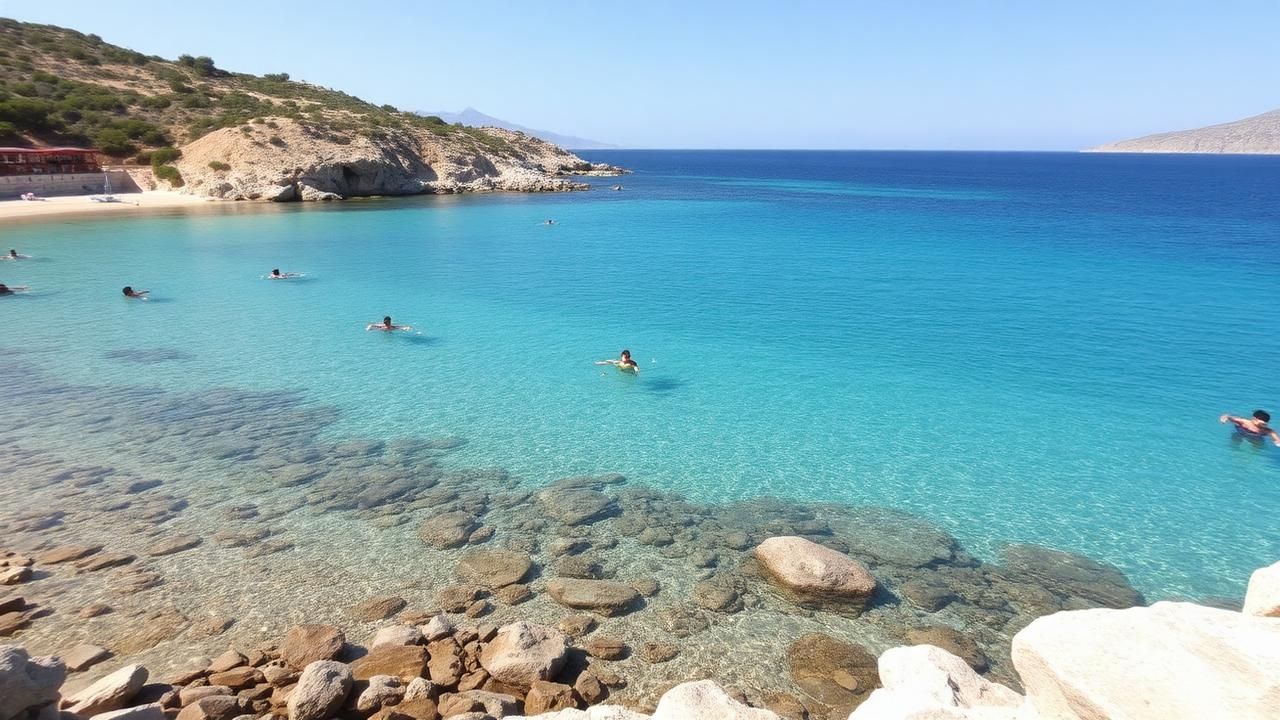
The water at Apokofto is clear and clean, deepening quickly enough off the rocks to make them popular jumping points, while the sandy shore itself stays gentle underfoot. The beach is not commercially organized — there are no sunbeds or umbrellas for hire, so most visitors bring their own towel and use the tamarisk shade at the back of the beach or a taverna table instead. If Apokofto feels busy, the smaller, pebbled Saoures beach on the other side of the monastery is a quieter, more secluded alternative a short walk away.
Facilities
- →Tamarisk shade at the back of the beach
- →2 tavernas directly on the sand (see below)
- →Free parking, about a 2-minute walk from the beach — no sunbeds or umbrella rental
Nearby tavernas
- →Taverna Chrisopigi (Lembesis) — the well-known taverna directly on the sand, run by the Lembessis family; try the revithada (chickpea soup) or the grilled fish
- →To Apokofto — a second, more casual taverna right at the beach, good for a quick coffee or lunch between swims
How to reach Chrysopigi (Apokofto)
By car: about 15 minutes from Apollonia, or 5 minutes from Faros. By bus: frequent summer services from Apollonia stop directly at the monastery, from where the beach is roughly a 7-minute walk. On foot: a scenic coastal path connects Apokofto to Faros via the chapel of Agios Charalambos, for travelers who'd rather walk than drive.
Map and orientation
Gallery
Other beaches nearby
Faros →
An old fishing harbour with three small beaches strung along the headland.
Fykiada →
Hidden cove on the south coast, reached only by a 25-minute hike from Vathi.
Heronissos →
Tiny fishing village at the northern tip — two tavernas, fresh-caught fish, almost nobody.
Kamares →
The bay you arrive into — a long sandy beach right beside the port.
Platis Gialos →
The longest sandy beach on the island, lined with tavernas, hotels and sun-loungers.
Poulati →
Pebble beach below the postcard-blue-domed Poulati monastery.
Seralia →
The tiny harbour of Kastro, reached by a stepped path from the medieval village.
Vathi →
A horseshoe of soft sand and shallow turquoise water on the south-west coast.
Vroulidia →
A quiet pebble cove near the island's northern tip, reached by a steep road.